📸 Image generated using AI
How Wealthtech ESG Impact Analytics Dashboards Are Redefining Portfolio Transparency in 2026

The Shift from Static Reports to Real-Time Impact
Investors in 2026 are no longer satisfied with annual PDF reports that vaguely mention carbon offsets. He wants to see the direct correlation between his capital and global change. This demand has pushed wealthtech ESG impact analytics dashboards from being a niche add-on to a core requirement for any serious wealth manager.
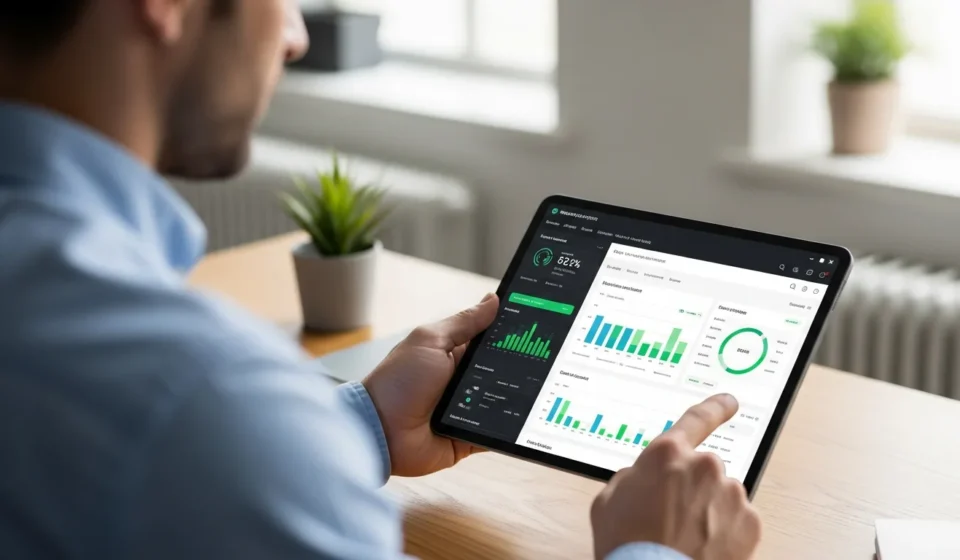
Modern dashboards have moved beyond simple ‘green’ labels. They now aggregate thousands of data points, from satellite imagery tracking deforestation to real-time labor sentiment analysis. When a wealth manager logs in, he can visualize the specific carbon footprint of his client’s portfolio compared to global benchmarks in seconds, rather than waiting for quarterly updates.
Core Features of Next-Gen ESG Dashboards
The current generation of wealthtech tools focuses on granularity and verification. To provide true value, these platforms must offer more than just a score; they must provide a narrative backed by hard data.
- Geospatial Data Integration: Using satellite feeds to monitor physical assets, such as factories or timberlands, to verify environmental claims.
- Sentiment Analysis: Leveraging natural language processing to scan news and social media for potential governance scandals before they hit the mainstream press.
- Customizable Impact Metrics: Allowing an investor to prioritize what matters to him, whether that is ocean health, gender pay equity, or renewable energy adoption.
- Regulatory Alignment: Automatic mapping of portfolios against evolving standards like the SFDR or local sustainable finance frameworks.
By utilizing fintech leaders in AI tech, these platforms can process unstructured data at a scale that was impossible just a few years ago. This ensures that the wealth manager is always ahead of the curve, identifying risks that traditional financial metrics might overlook.
Eliminating the Greenwashing Gap
Greenwashing has been the primary hurdle for sustainable investing. Wealthtech firms are now solving this through blockchain-verified data trails. When an impact dashboard shows a reduction in carbon emissions, the data is often pulled directly from IoT sensors on the ground, making it nearly impossible for companies to manipulate their numbers.
For the wealth manager, this transparency is a powerful retention tool. He can sit down with his client and show him exactly how his $1 million investment contributed to specific, measurable outcomes. This level of honesty builds a deeper level of trust than any marketing brochure ever could. This move toward authenticity is a cornerstone of sustainable finance, where the focus is on long-term value rather than short-term optics.
The Role of Predictive Analytics in ESG
In 2026, impact analytics are not just retrospective; they are predictive. Advanced dashboards now use machine learning to forecast how specific ESG factors will influence financial performance over the next decade. For example, he can see how a portfolio’s exposure to water-stressed regions might impact the valuation of his agricultural holdings by 2030.
This forward-looking approach allows for dynamic rebalancing. If a company’s governance score begins to trend downward due to executive turnover or board instability, the dashboard alerts the manager immediately. He can then take proactive steps to mitigate risk, ensuring that the client’s values and financial goals remain in perfect alignment.
Integrating Impact into the Client Experience
The user interface of these dashboards has undergone a massive transformation. Gone are the cluttered spreadsheets. They have been replaced by intuitive, interactive visualizations. A wealth manager can now present a ‘heat map’ of global impact, allowing his client to click on a region and see the specific projects his money is supporting.
This high-touch digital experience is what separates modern wealthtech from legacy systems. It turns a dry financial discussion into a meaningful conversation about legacy and purpose. As the wealth transfer to younger generations accelerates, the ability to provide this level of insight becomes the ultimate competitive advantage.
Frequently Asked Questions
What is a wealthtech ESG impact analytics dashboard?
It is a digital platform used by wealth managers to track, measure, and visualize the environmental, social, and governance impact of an investment portfolio in real-time.
How do these dashboards prevent greenwashing?
They use third-party data verification, IoT sensor integration, and AI-driven sentiment analysis to ensure that the companies in a portfolio are actually meeting their sustainability claims.
Can ESG dashboards help with regulatory compliance?
Yes, most modern dashboards automatically update to reflect the latest global and local regulations, ensuring that portfolios remain compliant with reporting standards without manual intervention.
Is the data in these dashboards updated in real-time?
While some metrics like carbon emissions may be updated monthly or quarterly, many dashboards now include real-time news feeds and market sentiment data to provide an up-to-the-minute view of ESG risk.