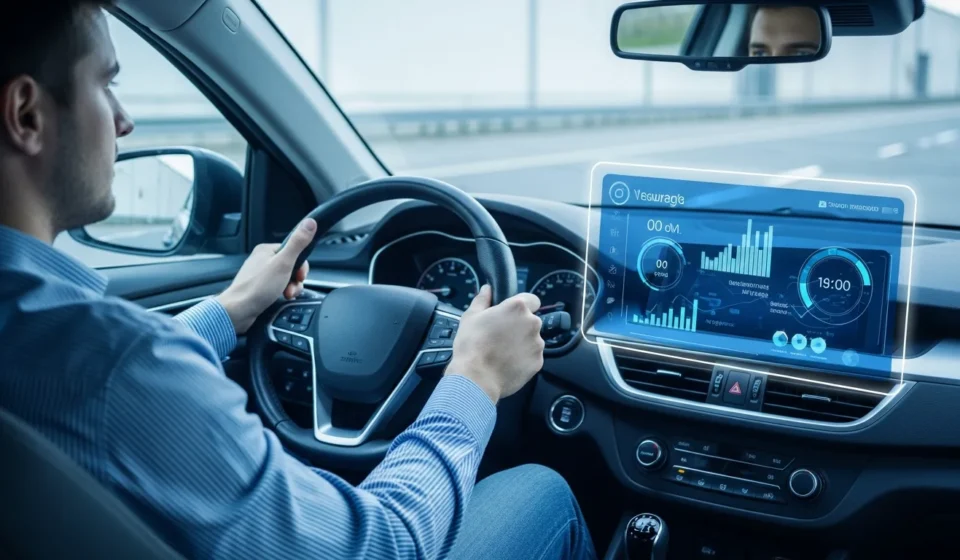
📸 Image generated using AI

Moving Beyond Demographic Stereotypes
For decades, insurance companies calculated risk using broad, often unfair categories. If a driver was under 25, he paid more. If he lived in a specific zip code, his rates spiked. This static model ignored how he actually handled his vehicle. Insurtech telematics-based dynamic pricing has finally broken this mold by shifting the focus from who a driver is to how he actually drives.
By utilizing real-time data, insurers can now offer personalized premiums. This means a cautious driver no longer subsidizes the reckless behavior of others in his demographic. The transition to dynamic pricing represents a fundamental shift in the relationship between the insurer and the policyholder, moving from a reactive payout model to a proactive, behavior-based partnership.
The Mechanics of Real-Time Data Collection
The engine behind dynamic pricing is the telematics device or smartphone application. These tools track a variety of metrics that paint a clear picture of a driver’s risk profile. Key data points include:
- Braking Patterns: Frequent hard braking often signals distracted driving or tailgating.
- Acceleration: Rapid starts can indicate aggressive driving habits.
- Cornering: How a driver handles turns at high speeds reveals his level of control.
- Time of Day: Driving at 3:00 AM is statistically riskier than driving at 10:00 AM.
Processing this influx of information requires sophisticated infrastructure. Many companies are now leveraging insights from fintech leaders in AI tech to process these massive datasets instantly, allowing for premium adjustments that reflect current behavior rather than past averages.
Why Dynamic Pricing is a Win for Safe Drivers
The most immediate benefit for the policyholder is cost control. In a dynamic pricing environment, the driver is in the driver’s seat of his own financial destiny. If he maintains a safe following distance and respects speed limits, his monthly premium reflects that discipline. This creates a powerful financial incentive for safer roads.
Beyond just saving money, telematics provides the driver with actionable feedback. Many insurtech apps now provide a “driver score” after every trip. This allows him to see exactly where he can improve, whether it is reducing his speed on certain highway stretches or being more mindful of late-night trips. It turns insurance from a grudge purchase into a self-improvement tool.
Addressing the Data Privacy Hurdle
The primary concern for any driver entering a telematics program is privacy. He is essentially handing over a GPS log of his life to a corporation. To maintain trust, insurtech firms must be transparent about what data is collected and how it is stored. Encryption is no longer optional; it is the baseline for survival in this sector.
As these platforms scale, implementing robust fintech cybersecurity measures is essential to prevent unauthorized access to sensitive location history. A driver must feel confident that his data won’t be sold to third parties or used against him in ways he didn’t explicitly agree to when signing his policy.
The Future of Personalized Risk
Looking ahead through 2026, we expect telematics to move beyond just cars. We are seeing the early stages of dynamic pricing in health and life insurance via wearables, and even in home insurance through smart sensors. The core philosophy remains the same: the more data a man provides to prove his low-risk lifestyle, the less he should have to pay.
This evolution will likely lead to “micro-insurance” products where a driver might pay for a specific high-risk trip or receive a discount for a single week of perfect driving. The flexibility offered by dynamic pricing ensures that insurance keeps pace with the fast-moving, data-driven world of modern finance.
Frequently Asked Questions
What is telematics-based dynamic pricing?
It is a method where insurance premiums are adjusted in real-time based on data collected from the driver’s vehicle or smartphone, focusing on actual driving behavior rather than historical demographics.
Can my insurance rates go up if I drive poorly?
Yes. While many programs focus on discounts for safe driving, some dynamic pricing models may increase premiums if the data shows consistent high-risk behavior like excessive speeding or frequent hard braking.
Do I need a special device installed in my car?
Not necessarily. While some insurers use a small plug-in device (OBD-II port), many modern insurtech companies use smartphone apps that utilize the phone’s internal sensors to track driving metrics.