📸 Image generated using AI

The Shift Toward Integrated Mobility
The days of a driver spending hours comparing insurance quotes after purchasing a vehicle are fading. In 2026, the car is no longer just a mode of transport; it is a sophisticated data hub. By merging insurance embedded finance with motor telematics, the industry has moved toward a model where protection is baked into the vehicle purchase or lease itself.
When a driver signs his contract at a dealership or through a mobile app, his insurance policy is often activated instantly. This integration ensures he is covered from the moment he pulls out of the lot, with premiums that reflect his actual driving behavior rather than generic demographic statistics.
How Telematics Feeds the Embedded Finance Engine
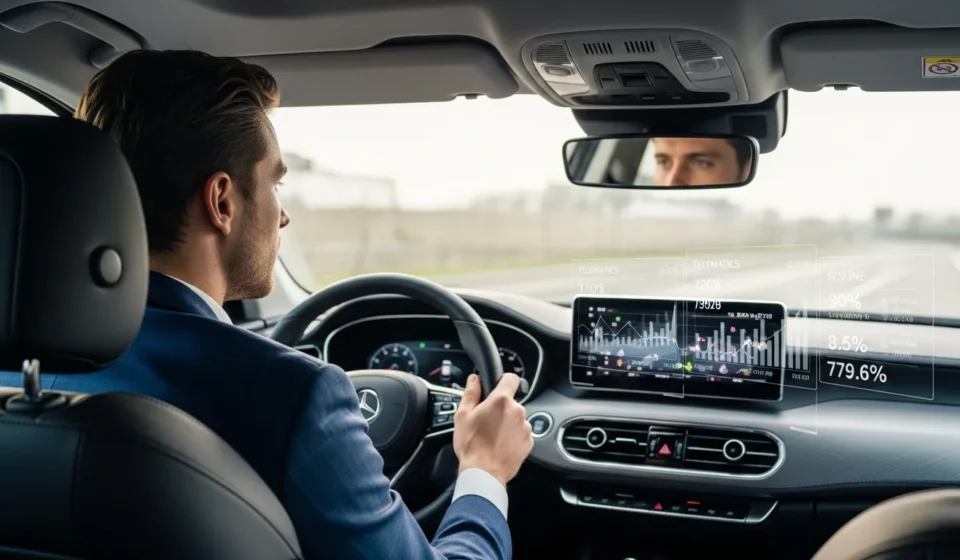
Motor telematics involves the use of GPS technology and onboard diagnostics to monitor a vehicle’s movements. This data—ranging from braking patterns to average speed—provides a granular view of a driver’s risk profile. When this data is funneled into an embedded finance ecosystem, it allows for Usage-Based Insurance (UBI) that is both fair and transparent.
- Real-time Risk Assessment: Instead of waiting for a yearly renewal, the insurer can adjust the driver’s premium monthly based on his safety score.
- Proactive Safety Alerts: The system can notify the driver if his driving habits are becoming risky, helping him avoid accidents before they happen.
- Automated Claims: In the event of a collision, telematics data can reconstruct the accident scene, allowing the embedded platform to initiate a claim for him automatically.
The Technical Backbone: APIs and Real-time Data
The seamless exchange of data between the vehicle’s hardware and the insurer’s software is the primary driver of this revolution. This connectivity relies heavily on robust infrastructure. The way how fintech APIs drive innovation allows different platforms to communicate instantly, ensuring that a driver’s data is processed securely and accurately.
For the driver, this means he doesn’t have to manually upload documents or proof of mileage. The vehicle handles the communication, and the embedded finance platform manages the billing. This reduces friction and builds a higher level of trust between the driver and his service providers.
Personalization Beyond the Premium
Embedded finance in the motor sector isn’t just about lower costs; it’s about a better user experience. A driver might receive personalized offers for maintenance or tire replacements based on the wear-and-tear data collected by the telematics system. If he consistently drives long distances, the system might offer him a specialized roadside assistance package tailored to his specific routes.
This level of service transforms the relationship from a grudge purchase into a value-added partnership. The driver feels supported by his vehicle and his insurer, knowing that his specific needs are being met in real-time.
Navigating the Regulatory Landscape
As with any technology involving personal data, regulation plays a massive role. Governments are increasingly focused on how driver data is stored and who has access to it. He must be confident that his privacy is respected and that his data won’t be sold to third parties without his explicit consent.
Staying informed about the fintech law evolution is essential for both providers and consumers. These regulations ensure that as insurance becomes more embedded and data-driven, the driver remains in control of his digital footprint.
The Future of the Driver-Insurer Relationship
By the end of 2026, we expect to see even deeper integration. We are moving toward a “pay-as-you-drive” and “how-you-drive” world where the driver is rewarded for his caution. This shift not only benefits his wallet but also contributes to overall road safety by incentivizing better habits through financial rewards.
Frequently Asked Questions
What is insurance embedded finance in the motor industry?
It refers to the integration of insurance products directly into the car buying or leasing process, often through the vehicle’s own software or the manufacturer’s app, rather than through a third-party broker.
How does motor telematics lower insurance costs?
Telematics tracks actual driving behavior. If a driver maintains safe speeds and avoids harsh braking, his insurer can offer him lower premiums because he represents a lower risk compared to the average driver.
Is my driving data safe with telematics?
Reputable providers use high-level encryption and comply with strict data protection laws to ensure a driver’s information is used only for insurance purposes and is not accessible to unauthorized parties.
Can I opt-out of telematics-based insurance?
Yes, most manufacturers and insurers offer traditional flat-rate policies, but the driver may miss out on the potential discounts and personalized features offered by telematics-integrated plans.