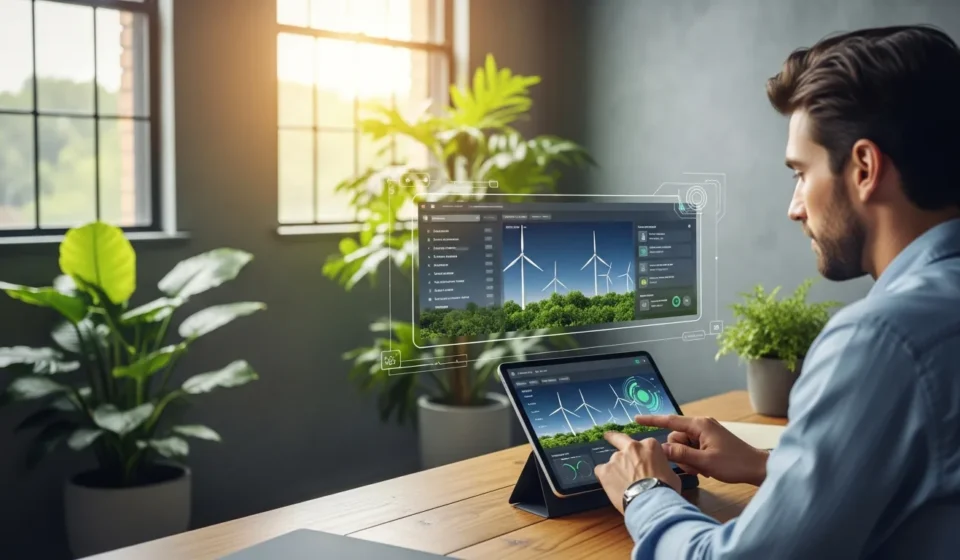
📸 Image generated using AI

The Shift Toward Carbon-Positive Portfolios
The investment landscape has undergone a radical transformation. He no longer looks at carbon offsets as a mere regulatory checkbox. Instead, the modern investor views these assets as a core component of a diversified portfolio. Green fintech carbon offset investment platforms have bridged the gap between complex environmental science and accessible financial markets, allowing him to trade carbon credits with the same ease as traditional equities.
By 2026, the integration of blockchain and IoT has eliminated the transparency issues that once plagued the voluntary carbon market. He can now verify the sequestration of a single ton of carbon in a remote forest directly from his smartphone. This level of granular data is what separates the current leaders in the space from the legacy players of the past decade.
How Tokenization is Solving the Liquidity Problem
Historically, carbon credits were illiquid and difficult for the individual investor to access. Green fintech platforms have solved this by leveraging advancements in wealthtech and tokenized portfolio management to fractionalize carbon assets. This means he can invest in high-quality reforestation projects or direct air capture technology without needing millions in capital.
- Fractional Ownership: Investors can buy a fraction of a carbon credit, lowering the barrier to entry.
- Instant Settlement: Blockchain-based platforms allow for T+0 settlement, providing the liquidity he needs to pivot his strategy quickly.
- Secondary Markets: Robust trading environments ensure that he can exit his positions whenever the market conditions are favorable.
The Role of Venture Capital in Climate Finance
The explosion of these platforms hasn’t happened in a vacuum. Significant capital has flowed into the sector from institutional heavyweights. He can see this trend clearly by observing how firms like Acrew Capital are prioritizing climate-focused fintech in their latest funding rounds. This influx of cash has allowed startups to build sophisticated AI models that predict the future value of carbon credits based on satellite imagery and geopolitical shifts.
He understands that the smart money is moving toward platforms that offer more than just a marketplace. The most successful platforms in 2026 provide comprehensive ESG reporting tools, helping him stay compliant with increasingly stringent global regulations. He is no longer just buying a credit; he is buying a verified data stream that proves his commitment to a net-zero future.
Key Features of Leading Carbon Investment Platforms
When he evaluates a green fintech platform, he looks for specific technical capabilities that ensure his investment is secure and impactful. The days of “set it and forget it” carbon offsets are over. He demands real-time monitoring and rigorous verification protocols.
1. Satellite and IoT Integration: Leading platforms use remote sensing to monitor projects in real-time. If a forest fire affects a project he has invested in, he receives an immediate notification and, in many cases, an automated insurance payout or credit replacement.
2. Dynamic Pricing Algorithms: Carbon is no longer a static commodity. Modern platforms use machine learning to price credits based on vintage, project type, and co-benefits (such as biodiversity impact), ensuring he pays a fair market price.
3. API-First Architecture: For the institutional investor, the ability to integrate carbon offset purchasing directly into his existing financial stack is vital. He looks for platforms that offer robust APIs to automate his carbon-neutrality goals.
Navigating the 2026 Regulatory Environment
Regulation has finally caught up with innovation. He must now navigate a world where carbon reporting is mandatory for many sectors. Green fintech platforms act as his navigator in this complex landscape. They provide the necessary documentation to satisfy the SEC and other global bodies, ensuring that his carbon offset investments are legally recognized and audit-ready.
He recognizes that the risk of “greenwashing” is a significant threat to his reputation. Therefore, he chooses platforms that utilize independent, third-party verification bodies. By doing so, he ensures that every dollar he spends on carbon offsets is actually removing CO2 from the atmosphere, rather than just moving numbers on a spreadsheet.
Frequently Asked Questions
What are green fintech carbon offset platforms?
These are digital financial services that allow individuals and institutions to buy, sell, and manage carbon credits. They use technology like blockchain and AI to ensure the credits are legitimate and to provide a liquid marketplace for trading.
Is carbon offset investing profitable in 2026?
Yes, as global carbon prices continue to rise due to stricter regulations and corporate net-zero commitments, many investors have seen significant returns on high-quality carbon assets. He treats it as both a hedge against climate risk and a growth opportunity.
How do I know if a carbon credit is real?
He should look for platforms that use “Digital Measurement, Reporting, and Verification” (dMRV). This technology uses satellite data and on-the-ground sensors to provide transparent, real-time proof that the carbon sequestration is actually happening.
Can I trade carbon credits like stocks?
On modern green fintech platforms, yes. He can buy and sell tokenized carbon credits on secondary markets, providing him with the liquidity and price discovery typical of traditional financial markets.