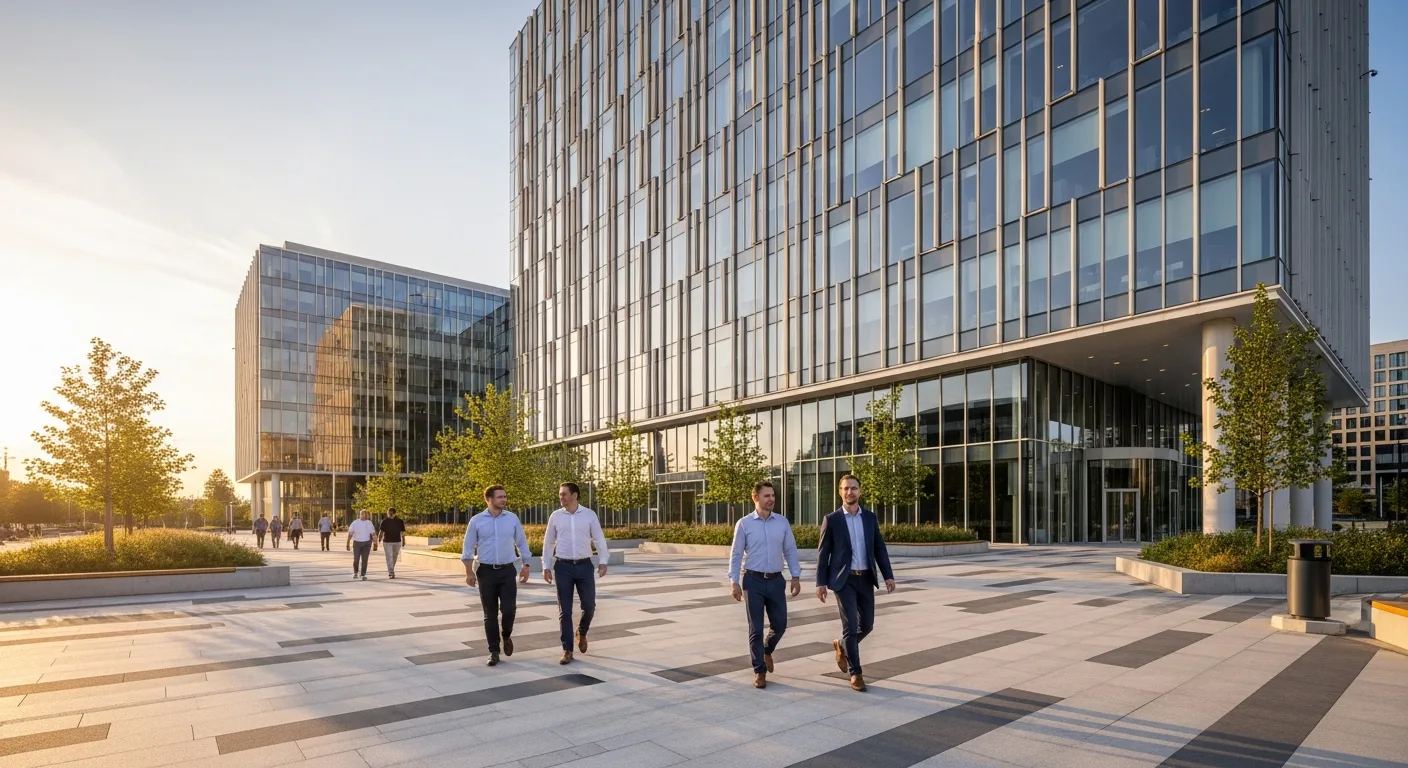

The Rise of the Fintech Star Campus
Physical architecture is finally catching up to the speed of digital finance. The fintech building star campus represents a shift from traditional office spaces to integrated ecosystems designed specifically for the high-stakes world of financial technology. He no longer wants a generic cubicle in a glass tower; he demands a space that mirrors the agility of his code.
In 2026, these campuses serve as the heartbeat of the industry. They are not just buildings but specialized environments where hardware, software, and human capital converge. For the modern founder, moving his operations to a star campus is a strategic statement of intent. It signals that he is serious about scaling and that he values the friction-less collaboration that only a dedicated physical hub can provide.
Architectural Design for High-Frequency Finance
The design of a fintech star campus goes far beyond aesthetics. These structures are engineered with low-latency fiber optics and redundant power grids to ensure that a developer’s environment never skips a beat. When a founder is focused on building robust digital products, he cannot afford infrastructure bottlenecks. The campus provides the high-performance computing resources and secure server rooms necessary for real-time data processing.
- Hyper-Secure Zones: Biometric access and shielded meeting rooms for sensitive regulatory discussions.
- Collaborative Sandboxes: Open areas where engineers can test APIs in a live, controlled environment.
- Modular Workspaces: Offices that grow as his team expands, preventing the need for frequent relocations.
Strategic Networking and Talent Density
One of the primary advantages of the star campus model is the sheer density of talent. By housing multiple startups, venture capital firms, and regulatory consultants under one roof, the campus creates a natural incubator for success. He can walk across the hall and find a mentor who has navigated the exact compliance hurdle he is currently facing.
This proximity is a powerful tool for accelerating his startup’s trajectory. Instead of waiting weeks for a networking event, he engages in daily interactions with industry leaders. The star campus facilitates a culture of constant learning, where a casual conversation in the lounge can lead to a multi-million dollar partnership or a breakthrough in blockchain integration.
The Role of Specialized Infrastructure
Beyond the physical walls, the fintech building star campus offers proprietary software tools and shared resources that would be too expensive for a solo startup to maintain. This includes access to expensive financial data feeds, specialized cybersecurity monitoring, and legal sandboxes where he can test new products against current regulations without fear of immediate litigation.
He benefits from a collective bargaining power that lowers the cost of essential services. From premium cloud credits to on-site legal counsel specializing in SEC compliance, the campus ensures that his capital is spent on innovation rather than overhead. This efficiency is what separates the winners from the also-rans in the competitive 2026 market.
Frequently Asked Questions
What makes a fintech star campus different from a standard co-working space?
A star campus is purpose-built for the financial sector, offering specialized security, high-speed data infrastructure, and direct access to fintech-specific mentors and investors that a general co-working space lacks.
How does a founder apply for a spot in a star campus?
He typically needs to demonstrate a viable product and a clear growth strategy. Most campuses have a rigorous vetting process to ensure that every tenant adds value to the ecosystem.
Is the star campus model better than remote work for fintech?
While remote work offers flexibility, the star campus provides the high-security environment and spontaneous networking opportunities that are essential for rapid scaling and regulatory compliance in finance.
Are these campuses located only in major financial hubs?
While they started in cities like New York and London, the 2026 trend shows them emerging in emerging tech hubs where the cost of living is lower but the talent pool is deep.