📸 Image generated using AI

The Credit Revolution in Emerging Markets
For decades, a man living in a rural village in Southeast Asia or Sub-Saharan Africa was effectively invisible to the global financial system. Without a formal credit history, a bank account, or physical collateral, he was locked out of the capital needed to grow a small business or manage a family emergency. In 2026, this narrative is shifting rapidly. The convergence of Buy Now, Pay Later (BNPL) and digital microloans is doing more than just facilitating shopping; it is building a foundational financial identity for millions.
Unlike the Western model, where BNPL is often associated with fast fashion and lifestyle upgrades, its application in the Global South is deeply utilitarian. Here, credit is a tool for survival and growth. By leveraging mobile penetration, fintech firms are bypassing the brick-and-mortar limitations that once kept the unbanked in the shadows.
Why Traditional Banking Models Failed
Traditional banks were never designed for the Global South’s informal economy. A local merchant might have a steady cash flow, but because his transactions are cash-based and he lacks a title deed to his land, a commercial bank views him as a high-risk ghost. The overhead costs of processing a $50 loan are simply too high for a legacy institution to justify.
Fintechs have solved this by eliminating the physical infrastructure. By using real-time credit risk scoring, lenders can now analyze a man’s utility bill payments, mobile airtime top-ups, and even his social media activity to determine his creditworthiness in seconds. This shift from static, paper-based history to dynamic, data-driven behavior is the engine of modern inclusion.
BNPL as a Gateway to Productive Assets
In emerging markets, BNPL is increasingly used for “productive credit.” A farmer can purchase a solar-powered irrigation pump or a high-yield fertilizer through a deferred payment plan. He pays a small deposit, takes the equipment home, and uses the increased crop yield to cover the remaining installments.
- Asset Financing: BNPL providers are partnering with hardware manufacturers to offer smartphones and laptops, which serve as essential tools for digital work.
- Educational Credit: Men are using short-term credit to pay for vocational training or certifications, betting on their future earning potential.
- Health Emergencies: Instant micro-credit at the point of care prevents a medical bill from spiraling into a lifelong debt trap.
The Synergy of Mobile Wallets and Microfinance
The success of these credit products depends entirely on the ecosystem they live in. In regions like East Africa and Latin America, the mobile wallet is the primary financial hub. Fintechs are no longer operating in silos; they are building deep integrations with telecommunications companies to reach the last mile.
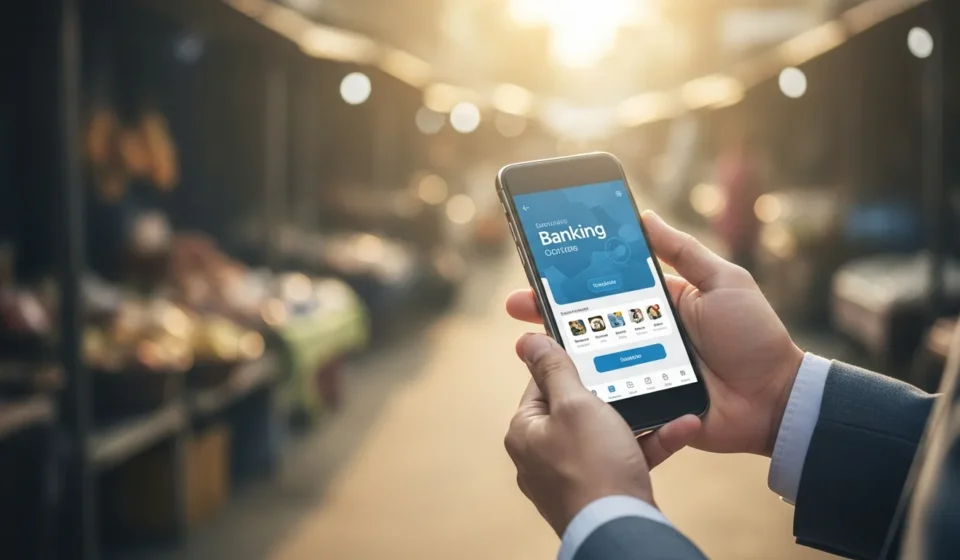
The growth of mobile banking and fintech partnerships has allowed microloans to be disbursed and repaid with zero friction. When a man receives a loan directly into his digital wallet, he avoids the predatory interest rates of local moneylenders and gains a documented history of repayment that he can eventually take to a larger financial institution.
Overcoming the Risks of Digital Over-Indebtedness
While the expansion of credit is a net positive, it brings significant risks. The ease of clicking a button to receive a loan can lead to a cycle of debt if not managed correctly. In 2026, regulators in the Global South are becoming more sophisticated, demanding that fintechs implement stricter transparency standards.
Responsible lenders are now using AI to monitor a borrower’s debt-to-income ratio in real-time. If a man is juggling multiple BNPL installments across different platforms, the system can automatically throttle his credit limit to prevent a default. This proactive approach ensures that financial inclusion leads to wealth creation rather than financial ruin.
The Path Forward for 2026 and Beyond
The future of financial inclusion lies in the transition from simple credit to a full suite of financial services. Once a man has proven his reliability through BNPL and microloans, he becomes eligible for insurance, savings products, and investment opportunities. The data generated by his small, everyday transactions is the key that unlocks the door to the global economy, ensuring he is no longer defined by what he lacks, but by his potential to grow.
Frequently Asked Questions
How does BNPL in the Global South differ from the US or Europe?
In the Global South, BNPL is primarily used for essential goods, productive assets (like tools or solar panels), and emergency expenses, whereas in Western markets, it is largely driven by retail and lifestyle consumption.
Can someone get a microloan without a bank account?
Yes. Most microloans in emerging markets are disbursed through mobile money wallets. The lender uses the borrower’s mobile phone usage and transaction history as a substitute for a traditional bank statement.
What are the interest rates for these digital microloans?
Interest rates can be higher than traditional bank loans due to the lack of collateral, but they are significantly lower and more transparent than the rates charged by informal street moneylenders.
Is my data safe when using these fintech apps?
Reputable fintechs use encryption and comply with local data protection laws. However, it is vital for the user to read the permissions requested by the app to ensure his personal information is not being misused.