
Is Your Identity Ready for the Quantum Threat? The Shift to Quantum-Safe Authentication

The Invisible Countdown to the Quantum Harvest The threat isn’t just coming; it is already here in the form of “harvest now, decrypt later” attacks. Malicious actors are currently intercepting and storing encrypted sensitive data,…

How Does the Quantum Computing Encryption Threat Impact Your Long-Term Financial Planning?
The Quantum Clock is Ticking for Financial Security The financial world is built on a foundation of mathematical trust. Every bank transfer, every stock trade, and every private estate plan is shielded by encryption algorithms like RSA and ECC. For…

How Do Payment Fraud Prevention Machine Learning Models Stop Modern Thieves?
The Failure of Legacy Rule-Based Systems A fraudster strikes in milliseconds. By the time a traditional rule-based system flags a suspicious transaction, he has already drained the account and moved on to his next target. Legacy systems rely on static…

Is Your Bank Truly Secure? Why Zero-Trust Architecture is Non-Negotiable in 2026
The Collapse of the Traditional Banking Perimeter The old “castle and moat” strategy for financial institutions has officially failed. For decades, a Chief Information Security Officer (CISO) relied on heavy firewalls to keep intruders out,…

How AI-Powered Network Graphs Expose Complex Financial Fraud Rings
The Shift from Linear Analysis to Graph Intelligence Traditional fraud detection systems often fail because they look at transactions in isolation. A legacy system might flag a single high-value transfer, but it remains blind to a series of small,…
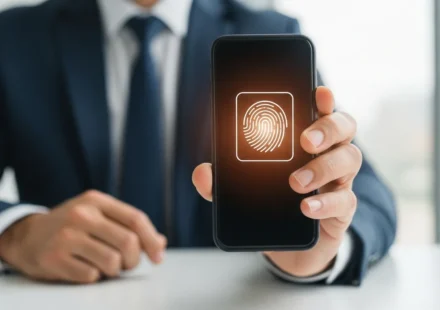
Why Digital Identity Biometric Wallet Authentication is the New Security Standard?
The Death of the Password and the Rise of the Biometric Vault The era of the 16-character password—cluttered with arbitrary symbols and numbers he can never remember—is officially over. In 2026, security has shifted from what a user knows to who he is.…

How Can Banks Survive the Quantum Decryption Era?
The Looming Threat of ‘Harvest Now, Decrypt Later’ The financial sector is currently facing a silent crisis. State actors and sophisticated syndicates are already intercepting and storing encrypted financial data. They cannot read it today,…

How Does AI Fraud Prevention Stop Synthetic Identity Theft in 2026?
The Rise of the Frankenstein Identity Synthetic identity fraud is often called Frankenstein fraud because it involves stitching together real and fake information to create a completely new persona. A fraudster might take a legitimate Social Security…

Why are Financial Crime Risk Management AI Platforms Essential for Modern Banks?
The Shift from Reactive to Proactive Defense The era of relying on rigid, threshold-based alerts is over. Criminals have moved beyond simple layering techniques, adopting generative AI to create synthetic identities and deepfake-driven social…

How Can Banks Master Real-Time Payment Network Fraud Prevention for FedNow?
The Speed Trap: Why FedNow Demands Instant Fraud Prevention FedNow has fundamentally altered the velocity of money. In 2026, a business owner can settle his invoices instantly, and a worker can receive his wages the moment his shift ends. However, this…