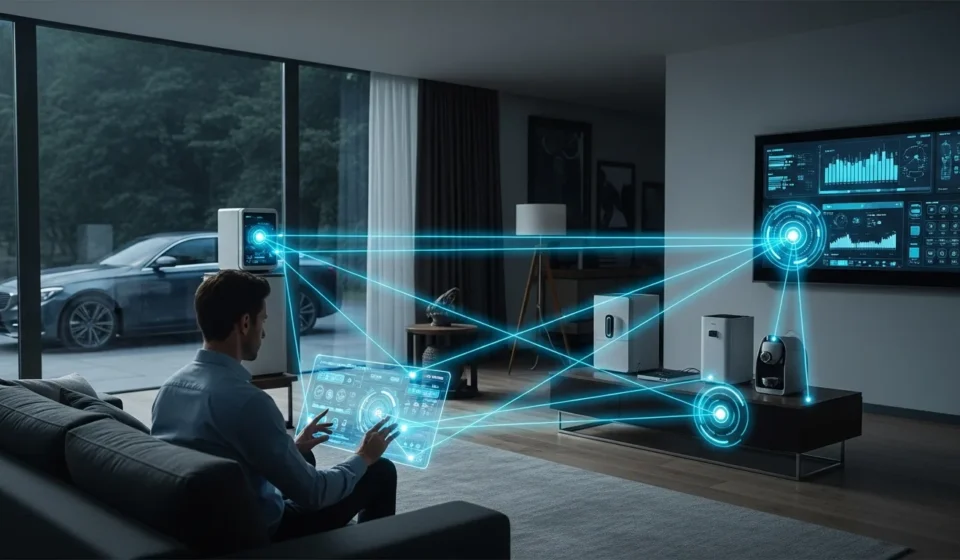
📸 Image generated using AI

The Shift from Static Risk to Real-Time Reality
Traditional insurance has always been a game of averages. A man pays a premium based on broad demographic buckets—his age, his zip code, and perhaps his credit score. This model is fundamentally flawed because it ignores his actual behavior. In 2026, the industry is moving toward AI-driven dynamic insurance pricing, a system that adjusts costs in real-time based on live data streams.
By leveraging the Internet of Things (IoT), insurers no longer have to guess. They can see exactly how a man operates his vehicle, maintains his property, or manages his health. This transition from “detect and repair” to “predict and prevent” is saving policyholders thousands while significantly reducing the loss ratios for providers.
How IoT Sensors Feed the AI Underwriting Engine
The backbone of dynamic pricing is the constant flow of telemetry. In the automotive sector, OBD-II devices and smartphone sensors track acceleration, braking patterns, and cornering speeds. If a man drives conservatively and avoids late-night trips, the AI recognizes his lower risk profile instantly. This isn’t just about tracking location; it’s about understanding the context of risk.
Beyond cars, IoT extends to smart home environments. Water leak sensors, smart smoke detectors, and security systems provide a continuous heartbeat of a property’s safety status. When a man integrates these devices into his home, he provides the insurer with proof of mitigation. The AI processes these signals to offer a “safety discount” that fluctuates based on the active status of those systems.
The Role of Machine Learning in Behavioral Analysis
Raw data from IoT devices is useless without a brain to interpret it. Machine learning algorithms are the heavy lifters here. They identify patterns that a human actuary could never spot. For instance, an AI might find that a man who consistently services his vehicle at recommended intervals is 30% less likely to be involved in a high-speed collision, even if he drives more miles than average.
These insights allow for a more granular approach to fintech software development, where the focus shifts to building platforms that can ingest millions of data points per second. The result is a personalized risk score that updates daily or even hourly, rather than once a year during a renewal cycle.
Dynamic Pricing Models: Pay-As-You-Live
We are seeing the rise of “Usage-Based Insurance” (UBI) and “Behavior-Based Insurance” (BBI). In these models, the premium is split into a low base rate and a variable component. If a man leaves his car in the garage for a month while he travels, his premium drops to the bare minimum. If he chooses to drive through a high-traffic area during a storm, the AI might temporarily adjust his rate to reflect the increased hazard.
This transparency empowers the consumer. He is no longer a victim of his demographic; he is the master of his own insurance costs. By adjusting his habits, he directly influences his monthly expenses. Many fintech leaders in AI tech are now focusing on user interfaces that show these price changes in real-time, gamifying safety and financial responsibility.
Overcoming the Challenges of Data Privacy
The primary hurdle for widespread adoption is trust. A man must feel confident that his data is being used to benefit him, not just to find reasons to hike his rates. Leading insurers are implementing Zero-Knowledge Proofs and edge computing to ensure that while the AI learns from his behavior, his raw personal data never leaves his device.
Encryption and clear data-sharing agreements are becoming the standard. When he sees the tangible benefit—a 20% reduction in his annual premium—the trade-off for data access becomes a logical financial decision. The future of insurance is not a static contract; it is a living, breathing partnership between a man and his AI-managed risk profile.
Frequently Asked Questions
Can dynamic pricing actually increase my rates?
Yes. If the IoT data shows that a man consistently engages in high-risk behavior, such as excessive speeding or neglecting property maintenance, the AI will adjust the premium upward to reflect the actual risk he poses to the pool.
What happens if my IoT device goes offline?
Most dynamic policies have a fallback rate. If the data stream is interrupted, the system typically reverts to a standard baseline rate until the connection is restored and the man’s behavior can be verified again.
Is this technology only for car insurance?
No. While telematics started in the auto industry, it has expanded to health insurance (via wearables), homeowners insurance (via smart home tech), and even commercial insurance for fleet and warehouse management.