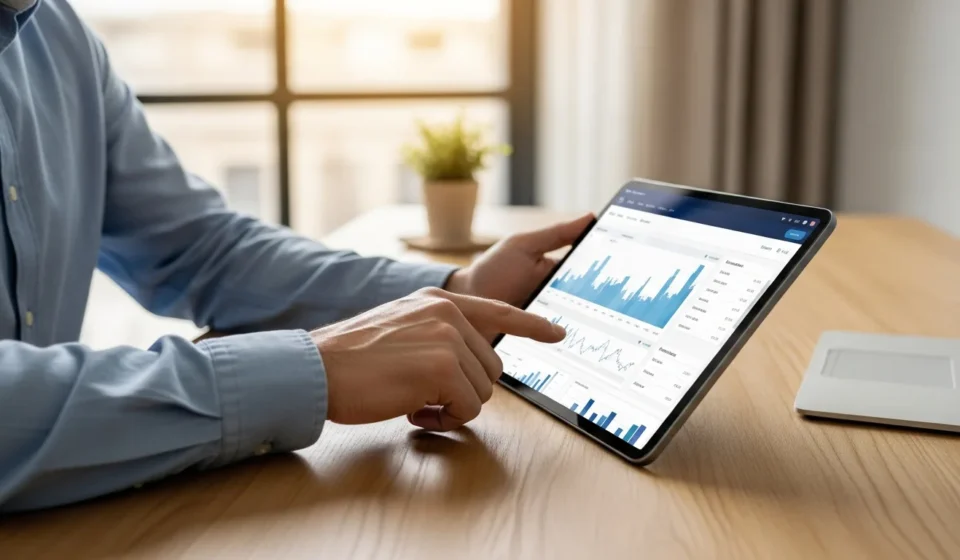
📸 Image generated using AI

The Death of the Fragmented SME Tech Stack
For years, the average small business owner was forced to operate like a digital air traffic controller. He had one tab open for his bank account, another for payroll, a third for expense management, and a fourth for his accounting software. This fragmentation didn’t just waste time; it created massive data silos that made real-time financial visibility impossible.
In 2026, the tide has turned. SME embedded banking B2B super-app platforms have emerged as the definitive solution. These platforms don’t just offer a single service; they integrate the entire financial lifecycle into one interface. By embedding regulated banking services directly into the software a business owner uses daily, these platforms have eliminated the friction of switching between disconnected tools.
How Embedded Banking Fuels the Super-App Ecosystem
The core engine behind these platforms is the shift toward composable banking infrastructure. Instead of building a bank from scratch, software providers use APIs to plug financial products directly into their existing workflows. This allows a B2B platform to offer business checking accounts, instant credit lines, and high-yield treasury accounts without ever becoming a licensed bank itself.
When a business owner logs into his dashboard, he isn’t just looking at a ledger. He is interacting with a live financial hub. Because the banking is embedded, the platform knows his exact cash flow position. This enables the system to offer him a working capital loan at the precise moment he needs to restock inventory, often with one-click approval based on his transaction history.
To understand the technical shift, many developers are now focusing on composable banking infrastructure and API-first design to ensure these integrations remain seamless and secure.
Key Modules of a Modern B2B Super-App
A true B2B super-app for SMEs is more than just a pretty dashboard. It is a modular powerhouse that handles several critical functions simultaneously:
- Unified Payments: Handling everything from domestic ACH and FedNow instant transfers to cross-border B2B payments in a single flow.
- Automated Treasury: Automatically moving idle cash into low-risk, interest-bearing accounts to ensure the owner’s capital is always working for him.
- Smart Expense Management: Issuing virtual and physical cards to employees with built-in spending limits and real-time reconciliation.
- Integrated Payroll: Calculating taxes and disbursing salaries directly from the business’s primary operating account.
By consolidating these features, the platform becomes the “operating system” for the business. The owner no longer needs to export CSV files from his bank to upload them into his accounting software; the data flows naturally, reducing human error and audit risks.
Strategic Advantages for the Modern Business Owner
The primary benefit for the entrepreneur is contextual finance. When banking is embedded, financial decisions are made within the context of business operations. For example, if he is reviewing a large invoice from a supplier, the super-app can suggest a short-term financing option specifically for that invoice, rather than requiring him to apply for a general-purpose loan at a traditional branch.
Furthermore, these platforms leverage the latest B2B fintech market trends of 2026, which emphasize hyper-personalization. The super-app learns the seasonal cycles of the business. It knows when the owner typically faces a cash crunch and can proactively suggest adjustments to his accounts payable schedule to keep him liquid.
The Shift from Banking as a Place to Banking as a Feature
We are witnessing the final stages of a massive transition. Banking is no longer a destination where a man goes to perform a transaction. Instead, it has become a feature of the software he uses to run his company. This shift has forced traditional banks to either become infrastructure providers for these super-apps or risk losing the SME relationship entirely.
For the SME owner, this is a win. He gains access to sophisticated financial tools that were previously only available to enterprise-level corporations. He can manage his entire empire from a single login, ensuring that his focus remains on growth and innovation rather than administrative overhead.
Frequently Asked Questions
What exactly is a B2B super-app for SMEs?
It is a single software platform that combines traditional business tools (like invoicing or CRM) with embedded financial services (like banking, lending, and payments) to provide a unified experience for the business owner.
Is embedded banking safe for small businesses?
Yes. These platforms typically partner with FDIC-insured banks to hold deposits. While the interface is provided by the fintech, the underlying funds are protected by the same regulations that govern traditional financial institutions.
How do these platforms make money?
They usually generate revenue through a mix of SaaS subscription fees, interchange fees from card spend, and interest sharing on loans or deposits managed through the platform.
Can I keep my existing bank account while using a super-app?
Most super-apps allow for external bank synchronization, but they provide the most value when the owner uses the platform’s native embedded accounts for his primary operations to enable real-time data features.