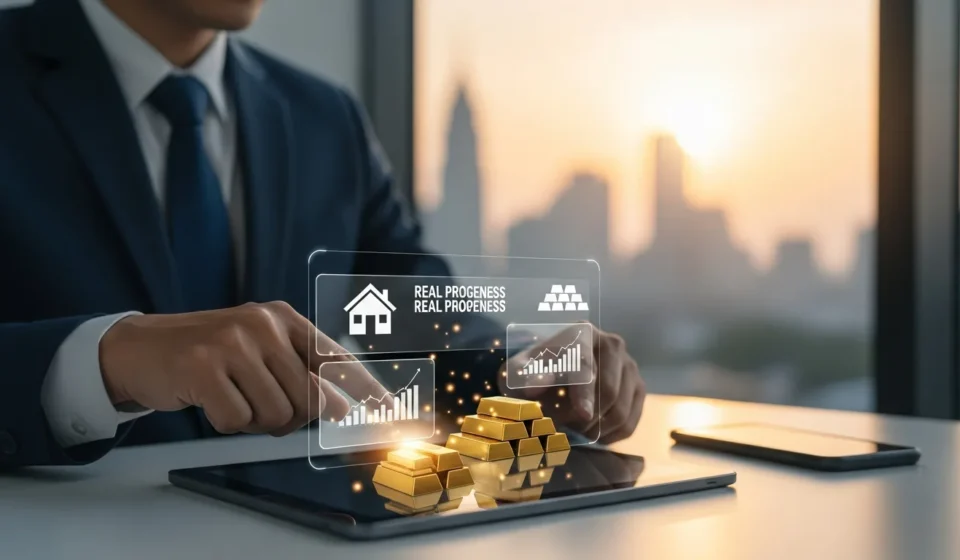
📸 Image generated using AI

The Shift from Physical Deeds to Digital Tokens
The days of waiting months for property settlements or needing millions to enter the private equity market are fading. In 2026, the financial world has pivoted toward tokenized real-world assets (RWA) investment platforms. These platforms take tangible assets—like real estate, gold, or fine art—and represent them as digital tokens on a blockchain. For the modern investor, this means he can now diversify his portfolio with institutional-grade assets that were previously out of reach.
This isn’t just a trend; it is a fundamental restructuring of how value is moved. By utilizing smart contracts, these platforms automate the legal and administrative hurdles that typically bog down high-value transactions. When an investor buys a token, he is purchasing a legally binding share of the underlying asset, recorded permanently on a ledger.
How RWA Platforms Bridge TradFi and DeFi
The magic of RWA tokenization lies in its ability to merge traditional finance (TradFi) with decentralized finance (DeFi). While traditional banking systems rely on slow, centralized intermediaries, RWA platforms use decentralized infrastructure to provide 24/7 liquidity. An investor no longer needs to wait for market hours to trade his holdings; he can swap his tokenized real estate shares for stablecoins at 3:00 AM on a Sunday.
Understanding the nuances between fintech and DeFi is essential here. While fintech improved the user interface of banking, DeFi and RWA tokenization are rewriting the backend. This shift allows for fractional ownership, where a single apartment building can be split into 10,000 tokens, allowing a retail investor to participate with as little as $100.
Top Asset Classes Leading the Tokenization Wave
In 2026, several asset classes have emerged as the frontrunners in the tokenization space. These are not speculative digital coins; they are backed by physical reality:
- Real Estate: Commercial and residential properties are the most popular. Investors receive rental yields directly into their digital wallets.
- Private Credit: Platforms allow investors to fund loans for small businesses or infrastructure projects, earning interest that beats traditional savings accounts.
- Commodities: Tokenized gold and silver allow for instant ownership without the headache of physical storage or insurance.
- Treasury Bills: Even government debt has moved on-chain, providing a low-risk entry point for crypto-native investors seeking stable returns.
The Infrastructure Behind the Assets
Building a reliable RWA platform requires more than just a website; it requires robust digital architecture. Companies like Mercurity Fintech Holding have been instrumental in providing the underlying digital asset infrastructure needed to ensure these tokens are secure, compliant, and interoperable across different blockchains.
For the investor, the security of the platform is his primary concern. He must ensure the platform uses multi-signature wallets and undergoes regular third-party audits of its smart contracts. In 2026, the most successful platforms are those that prioritize transparency, showing real-time proof of reserves for every asset they tokenize.
Regulatory Compliance: The 2026 Standard
The “Wild West” era of crypto is over. Today’s tokenized RWA investment platforms operate under strict regulatory frameworks. Whether it is the SEC in the United States or MiCA in Europe, platforms must verify the identity of every user (KYC) and ensure they are not facilitating money laundering (AML). This regulatory clarity has finally brought institutional players—pension funds and insurance companies—into the ecosystem, providing the deep liquidity necessary for a healthy market.
An investor should look for platforms that hold specific licenses for securities tokenization. If a platform claims to offer “unregulated” real estate tokens, he should proceed with extreme caution, as he may have no legal recourse if the underlying asset is mismanaged.
Choosing the Right RWA Investment Platform
When a man decides to enter the RWA space, he should evaluate platforms based on three specific criteria:
- Asset Quality: Does the platform perform rigorous due diligence on the properties or businesses it tokenizes?
- Secondary Market Liquidity: Can he easily sell his tokens if he needs cash, or will he be stuck holding them for years?
- Fee Structure: Many platforms charge management fees or transaction fees. He must calculate how these impact his net yield over time.
By focusing on these factors, he can build a resilient portfolio that combines the stability of physical assets with the efficiency of blockchain technology.
Frequently Asked Questions
What are tokenized real-world assets?
Tokenized RWAs are digital representations of physical assets like real estate, art, or commodities on a blockchain. Each token represents a share of ownership in the actual physical item.
Is RWA investing safer than buying Bitcoin?
Generally, RWAs are considered less volatile because their value is tied to a physical asset with intrinsic value. However, they carry different risks, such as the physical maintenance of the asset or regulatory changes.
How do I earn money from tokenized real estate?
Investors typically earn money through two channels: monthly rental income distributed as stablecoins and the potential appreciation of the property’s value when the token is sold on a secondary market.
Can I sell my RWA tokens at any time?
Yes, if the platform has a secondary market or is integrated with a decentralized exchange (DEX), an investor can sell his tokens whenever there is a buyer available, providing much higher liquidity than traditional real estate.